
How Digital PR Campaigns Influence Off-Page SEO Metrics
Digital PR campaigns can support off-page SEO by earning visibility from credible publications, industry websites, and relevant online communities. While traditional PR often focuses on awareness, digital PR also creates measurable signals that can influence authority, referral traffic, branded search, and long-term organic performance. When tracked correctly, these campaigns become more than exposure. They become part of a structured growth strategy.
Strengthen Authority Through Relevant Mentions
One of the clearest ways digital PR supports off-page SEO is through external mentions from trusted sources. When reputable sites reference your business, research, insights, or resources, those mentions help build credibility across the web. Some placements may include backlinks, while others may simply increase brand recognition.
Both outcomes matter. A linked mention can pass referral traffic and reinforce page authority. An unlinked mention may still encourage users to search for your brand directly or recognize your expertise later. This broader authority-building effect supports strategic search engine optimization services by helping search systems and users see your brand as a credible resource.
Improve Backlink Quality, Not Just Quantity
Digital PR is especially valuable when it earns links from sources that are relevant, authoritative, and aligned with your audience. These links are often more meaningful than low-quality placements because they appear in editorial contexts where readers are already interested in the subject.
Strong digital PR links may come from:
Industry publications
Local or regional media outlets
Educational resources
Business associations
Expert roundups or interviews
Tracking the quality of these links helps teams understand whether campaigns are improving off-page SEO in a sustainable way. Reference content on off-page SEO tracking emphasizes that backlink data becomes more useful when paired with analytics and engagement signals.
Drive Referral Traffic From Qualified Audiences
Digital PR can also influence referral traffic. A placement in a relevant publication may send visitors who are already interested in the topic, making them more likely to read, explore, or convert. This is where off-page SEO measurement should move beyond link counts.
Instead of only asking how many links a campaign earned, businesses should evaluate:
Which placements sent traffic
How long referred visitors stayed
Whether they viewed additional pages
Whether they completed forms, calls, or other conversion actions
This approach connects digital PR with professional search engine optimization solutions, where visibility is measured by its ability to generate meaningful engagement.
Increase Branded Search and Direct Discovery
Successful digital PR can also lead to more branded search activity. When people encounter your business in articles, interviews, podcasts, or reports, they may later search for your company by name. These increases in branded search can indicate that awareness is turning into active interest.
Direct traffic may also rise when users remember the brand and visit the website without clicking through from the original placement. While these signals can be harder to attribute than referral sessions, they still help show whether external visibility is influencing audience behavior.
Support Topic Authority Across Key Themes
Digital PR works best when it reinforces the topics your business wants to be known for. For example, a campaign focused on SEO trends, AI search, or content performance should connect naturally to the services and resources already emphasized on your website.
This alignment helps create consistency between external mentions and on-site content. When outside sources reference your expertise in the same areas your website covers, it strengthens your broader topical footprint. That connection supports comprehensive SEO strategy and execution by making off-page activity part of the same system as content, technical SEO, and conversion-focused website improvements.
Measure Campaign Impact Over Time
Digital PR rarely produces its full value immediately. Some placements generate quick referral traffic, while others contribute gradually to authority, search visibility, and brand recognition. Tracking performance over time provides a more accurate view of campaign impact.
Useful metrics may include:
New referring domains
Link quality and topical relevance
Referral traffic and engagement
Branded search trends
Ranking changes for related pages
Conversions influenced by referred visitors
Recording campaign dates alongside these metrics helps connect specific efforts with performance shifts.
Turn Publicity Into Search Value
Digital PR can influence off-page SEO metrics when campaigns are planned with search visibility in mind. The goal is not simply to earn attention, but to earn the right kind of attention from sources that strengthen authority, drive qualified traffic, and support long-term discovery.
By evaluating mentions, backlinks, referral traffic, and branded search together, businesses can better understand how digital PR contributes to organic growth. Over time, this turns media visibility into a measurable part of a broader digital strategy rather than a separate awareness effort.
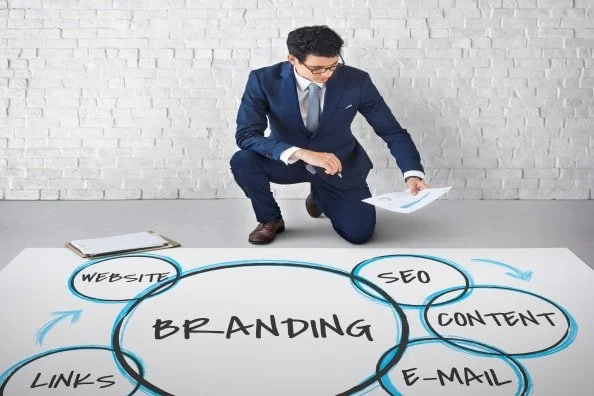
Tracking Brand Mentions and Authority Signals Across the Web
A brand mention does not always include a clickable link, yet it can still influence awareness and credibility. When reputable publications, industry sites, or community platforms reference your business, they reinforce recognition and trust. These signals contribute to how both users and search systems evaluate your authority.
In many cases, mentions also lead to secondary benefits. Readers may search for your brand directly, visit your website through other channels, or share the reference within their own networks. Organizations that incorporate mention tracking into their broader approach to strategic search engine optimization services gain a more complete view of how their presence evolves online.
Identify Where Your Brand Appears
Tracking mentions requires visibility into multiple channels, not just traditional link-building platforms. Brand references may appear in:
Industry publications and news sites
Blogs and educational resources
Social media discussions
Online forums or community platforms
Business directories and local listings
Monitoring these sources helps uncover opportunities to strengthen relationships, respond to conversations, or build on existing visibility. It also reveals gaps where competitors may be gaining attention.
Effective tracking tools can surface both linked and unlinked mentions, making it easier to evaluate how often your brand is referenced and in what context. This broader perspective complements initiatives tied to professional search engine optimization solutions, where authority is built through consistent recognition across multiple touchpoints.
Connect Mentions to Search Behavior
One of the most valuable outcomes of increased brand visibility is a shift in how people search. As mentions grow, organizations often see corresponding increases in branded search queries, direct traffic, and repeat visits. These patterns suggest that awareness is translating into active interest.
Tracking these changes helps answer key questions:
Are more users searching for your brand by name?
Do spikes in mentions align with increases in traffic?
Are new audiences discovering your business through external sources?
Research on off-page SEO emphasizes that authority strengthens when visibility is supported by diverse, credible references. These signals help search systems assess trust and relevance, particularly as AI-driven search experiences rely on aggregated information from multiple sources.
Evaluate the Quality of Authority Signals
Not all mentions carry the same weight. References from well-established, relevant sources tend to have a stronger impact than those from low-quality or unrelated sites. Evaluating the context, audience, and credibility of each mention helps prioritize efforts that support long-term authority.
Important factors to consider include:
The reputation and relevance of the source
The context in which your brand is mentioned
Whether the mention aligns with your core services or expertise
The potential for ongoing collaboration or exposure
Focusing on quality over quantity ensures that off-page efforts contribute to meaningful growth rather than surface-level visibility.
Turn Insights Into Strategic Action
Tracking brand mentions is most valuable when it informs decision-making. If certain publications consistently generate engagement or interest, it may be worth expanding those relationships through additional contributions or collaborations. If mentions rarely align with key services, outreach strategies can be adjusted to highlight more relevant topics.
This feedback loop supports a more intentional approach to comprehensive SEO strategy and execution, where off-page activity is guided by performance rather than assumption.
Build Authority Through Consistent Visibility
Authority is not built through isolated efforts. It develops over time as your brand is referenced, discussed, and recognized across a variety of platforms. Tracking mentions provides insight into how that process unfolds and whether your visibility is expanding in the right direction.
By monitoring where your brand appears, evaluating the quality of those signals, and connecting them to user behavior, organizations gain a clearer understanding of their position in the market. Rather than focusing solely on links, they can build a more resilient presence supported by recognition, trust, and sustained engagement.
In a digital landscape shaped by both traditional search and AI-driven discovery, these broader authority signals play an increasingly important role in how businesses are found and chosen.

Measuring Off-Page SEO Impact Beyond Link Counts
Off-page SEO plays a critical role in building authority, credibility, and visibility, yet its impact is often reduced to a single number: backlinks. While links remain important, counting them alone provides an incomplete picture. Organizations that want to understand whether their off-page efforts truly support growth need a broader measurement framework that connects activity to outcomes.
Look at Link Quality, Not Just Quantity
Not all backlinks contribute equally to performance. A handful of mentions from respected, relevant publications can carry far more influence than dozens of links from low-value sources. Evaluating authority, topical alignment, and audience relevance helps determine whether a link strengthens your presence or simply inflates totals.
High-quality links also tend to produce secondary benefits. They can drive referral traffic, introduce your brand to new audiences, and reinforce credibility with search systems that assess trust signals across the web. These factors align closely with initiatives built around professional search engine optimization services that prioritize sustainable authority rather than short-term gains.
Track Referral Traffic and Engagement
A link that sends engaged visitors is often more valuable than one that generates no activity at all. Analytics platforms can reveal how users behave after arriving from external sites, including time on page, pages viewed, and conversion actions. This data shows whether off-page placements are attracting people who genuinely care about your offerings.
If visitors from a particular publication consistently explore multiple resources, that relationship may deserve deeper collaboration. Conversely, links that produce minimal engagement may still support authority but should not dominate your outreach strategy.
Understanding these patterns supports a more refined approach to strategic search engine optimization services, where partnerships and placements are evaluated based on real performance rather than visibility alone.
Monitor Brand Mentions and Search Behavior
Off-page SEO extends beyond clickable links. Brand mentions, citations, and media coverage can influence how people discover and search for your organization. An increase in branded search queries often signals growing awareness and trust, even if those mentions do not include direct links.
Tracking trends in brand search volume, direct traffic, and social conversations helps capture this broader impact. These indicators reflect how visibility is evolving across channels and whether off-page activity is strengthening recognition over time.
Research into off-page performance emphasizes that authority grows when diverse, credible sources reference your work, not only when they link to it. This wider perspective is especially relevant as AI-driven search systems synthesize information from multiple trusted inputs.
Evaluate Impact on Priority Pages
Effective off-page campaigns support specific business goals, not just overall domain strength. Monitoring rankings, traffic, and conversions for the pages receiving links can reveal whether outreach efforts are reinforcing your most important services or resources.
Questions worth asking include:
Are key service pages gaining visibility after new coverage?
Do linked pages show improvements in engagement or inquiries?
Are external mentions aligned with strategic topics?
This analysis connects external activity to internal performance, a core principle of comprehensive SEO strategy and execution that treats off-page work as part of a unified system.
Focus on Trends Over Time
Off-page SEO rarely produces instant results. Authority builds gradually as consistent signals accumulate. Reviewing performance across months or quarters helps distinguish meaningful progress from short-term fluctuations.
A practical reporting approach may combine:
Growth in high-authority referring domains
Changes in rankings for priority queries
Increases in referral traffic quality
Trends in brand search and direct visits
Tracking these indicators together provides a clearer understanding of momentum and helps teams allocate resources more effectively.
Move From Activity to Insight
Counting links answers the question, “What did we acquire?” Measuring outcomes answers the more important question, “What changed because of it?” Organizations that connect off-page activity to engagement, awareness, and conversions gain a more realistic view of performance.
By expanding measurement beyond raw totals, businesses can prioritize partnerships that deliver value, refine outreach strategies, and build authority that supports long-term visibility. Off-page SEO then becomes a deliberate investment rather than a checklist item, reinforcing a digital presence that grows stronger with each meaningful connection.

Tracking And Analytics For Off-Page SEO: Measuring Backlinks And Referral Traffic
Off-page SEO work can feel invisible. You invest in link building, digital PR, and partnerships, but it is not always obvious which efforts move the needle. Tracking and analytics are what turn that guesswork into a measurable system. When you connect backlinks and referral traffic to a broader search engine optimization strategy, you can see which off-site activities are worth scaling and which ones quietly consume budget.
Why Tracking Off-Page SEO Is Difficult
On-page performance is easy to see in your own analytics, but off-page work happens on other people’s websites. Links, mentions, and reviews live elsewhere, and only some of them send visible traffic back to you. That is why a useful measurement plan combines three perspectives:
SEO platform data, such as backlinks, referring domains, and anchor text
Analytics data such as referral traffic, engagement, and conversions
Search performance data, such as rankings, impressions, and clicks
The goal is not to count every backlink. Instead, you want to understand which links contribute to authority and which ones bring real visitors who read, explore, and convert.
Core Metrics: Backlinks, Referring Domains, And Referral Traffic
For most teams, off-page tracking starts with three pillars.
Backlinks and referring domains
SEO tools show how many sites link to you, which pages they point at, and what anchor text they use. Rather than obsessing over totals, prioritize links from relevant, trustworthy domains that point to strategic pages and use natural, descriptive anchors. Research from Ahrefs on links from pages with traffic shows that links on pages that already attract visitors tend to be more valuable than links on pages no one sees.Referral traffic and behaviour
In analytics, referral traffic reports show which external sites actually send visitors, how long they stay, and whether they convert. When you combine that view with landing page data, you can see whether certain links mostly boost authority or whether they also bring engaged visitors who explore more than one page.Organic performance tied to linked pages
When you earn new links, monitor rankings, impressions, and clicks for the pages they reference. Over time, patterns emerge. Some referring sites consistently precede small ranking bumps. Others rarely show any impact at all. Treat those patterns as feedback on where to focus future outreach.
By looking at these three areas together, you see not only where links come from, but how they behave once people land on your site.
Tools And Reports That Make Off-Page Tracking Easier
You do not need an enterprise stack to get started. A practical setup usually includes an SEO platform to track backlinks and referring domains over time, analytics reports that highlight referral traffic and key landing pages, and a simple scorecard for major campaigns. When those pieces are aligned with your core SEO services plan, you can identify which placements deserve follow-up partnerships and which tactics need rethinking.
WSI partners regularly share practical frameworks for this kind of work. For example, the article on how content marketing boosts your SEO rankings walks through ways to connect content, links, and performance so you can see how each piece supports long-term results.
Learning From Existing Off-Page SEO Content
You do not have to invent your tracking framework from scratch. Educational content like this guide on search engine optimization shows how individual tactics support broader visibility and lead generation. When you apply that mindset to off-page SEO, you start asking better questions:
Which campaigns reliably earn high-quality links?
Which placements drive engaged referral traffic instead of one-click bounces?
How often do new mentions align with ranking shifts for key pages?
Combining that strategic thinking with your own analytics turns scattered off-page activity into a repeatable process instead of a collection of one-off wins.
What To Do Next
Map your current off-page footprint. Export a list of referring domains and top backlinks from your SEO platform, then highlight links that point to priority pages such as service hubs, resource centres, or high-value blog posts.
Build a simple referral traffic view in analytics. Isolate the referral channel and identify which sites send visitors, which pages they land on, and how those visitors convert compared to organic and paid traffic.
Create an off-page scorecard for new campaigns. For each new link-building or digital PR initiative, log the target sites, the pages you are promoting, and the metrics you will check, then review that scorecard monthly so you can double down on what works and retire what does not.
Over time, a structured tracking routine helps you treat off-page SEO as a measurable investment rather than a black box.
Disclaimer: This article is for informational purposes only and does not constitute professional legal, financial, or tax advice.

Tracking and Analytics for Off-Page SEO and AI Search
Off-page SEO is harder to measure than on-site work because much activity happens off your domain. AI-driven search adds another layer of complexity. To see whether link building, digital PR, and brand mentions support your broader search engine optimization strategy, you need tracking that ties off-page activity to outcomes.
Why Tracking Off-Page SEO Still Matters in AI Search
As AI overviews and answer engines summarize results, they lean on sites with strong authority and a clean backlink profile. A solid foundation of off-page work supports visibility in traditional rankings and helps AI systems feel more confident reusing your content.
Effective tracking starts with a few practical questions. Which campaigns are earning new, relevant links? Which mentions are driving referral traffic and branded search? How often does fresh coverage coincide with ranking gains for your priority pages? Clear questions prevent dashboard overload and keep reports focused on decisions, not just data.
Core Metrics for Off-Page SEO Tracking
Backlink, referring domain, and anchor text data from dedicated SEO platforms become more useful when you pair it with analytics. Joining those numbers with on-site engagement makes it easier to see which links send qualified visitors and which mainly reinforce authority. Watching trends in brand search, direct traffic, and mentions over time can reveal whether your broader visibility is growing.
Many guides on off-page performance recommend focusing on a small set of indicators instead of chasing every metric. A simple scorecard might track:
New high-authority referring domains earned each quarter
The share of links that point to strategic pages and resources
Referral traffic and engagement from your most visible placements
Changes in rankings for queries tied to those linked URLs
Step-by-step guides to analyzing off-page SEO performance can help you refine that list and turn a long collection of numbers into a review you repeat regularly.
Bringing AI Search Signals Into Your Analytics
AI-driven search introduces new questions. You cannot yet pull a single metric for “AI overview appearances,” but you can watch related shifts. Changes in click-through rates on informational queries, differences in how visitors arrive from organic search compared with branded or direct traffic, and feedback from customers about how they discovered you all contribute to the picture.
Guidance from Google on AI features and your website explains how AI results are generated and how site owners can think about inclusion. Research on off-page SEO and AI search suggests that pages earning links from diverse, trusted sources tend to appear more often in synthesized answers.
Turning Insights Into Actionable Off-Page Strategy
If reports show that a few publications routinely send engaged visitors, it makes sense to deepen those relationships with fresh ideas and collaboration. When you see that new links rarely point to your most important product or service pages, consider outreach that highlights those assets more clearly within your overall search engine optimization plan.
Over time, a steady loop between off-page activity, analytics, and AI search behavior helps you refine your strategy instead of reacting to every surface-level metric. Rather than chasing any link opportunity, you can prioritize coverage that strengthens authority, supports key topics, and aligns with how people actually discover answers in evolving search experiences.